Caribbeancom 051215-875 Yukina Saeki Jav Uncens... Better 🎁 Premium
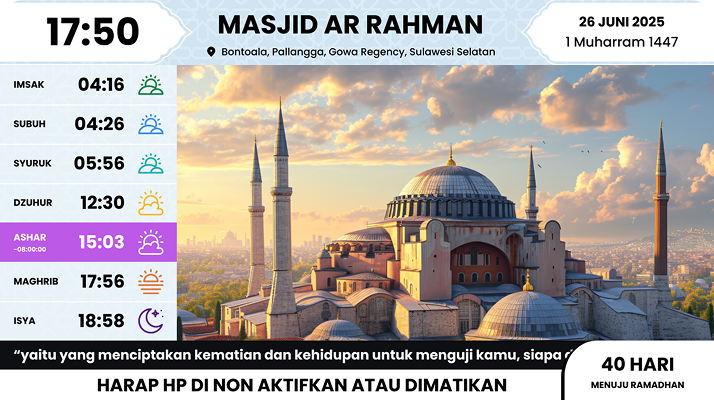
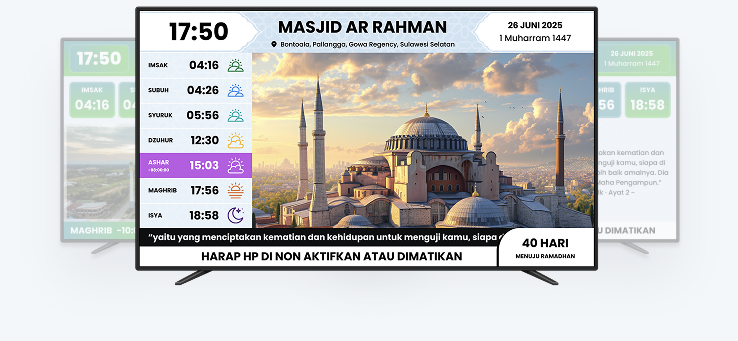
Aplikasi jam digital terbaik untuk masjid, menampilkan jadwal sholat otomatis dan akurat sesuai
waktu resmi Kementerian Agama, dilengkapi fitur pengingat adzan dan iqomah serta desain tampilan
yang elegan.
Caribbeancom 051215-875 Yukina Saeki Jav Uncens... Better 🎁 Premium
Japan’s entertainment industry is a powerhouse of "soft power," seamlessly blending centuries-old traditions with cutting-edge global trends. From the philosophical depths of ancient theater to the high-energy world of modern pop, Japanese culture is defined by its ability to innovate while remaining deeply rooted in its heritage. The Foundations: Traditional Performing Arts
Legacy: Nintendo (Mario, Zelda) saved the industry after the 1983 crash. Sony (PlayStation) made gaming "adult" with cinematic titles like Final Fantasy and Metal Gear Solid.
Arcade Culture: While dying in the West, Japanese Game Centers are thriving, especially rhythm games (Dance Dance Revolution, Taiko no Tatsujin) and UFO catchers.
Japan's traditional entertainment industry has its roots in the Edo period (1603-1868), when theater, music, and dance performances became popular forms of entertainment. Some of the traditional forms of entertainment that continue to thrive in Japan include: Caribbeancom 051215-875 Yukina Saeki JAV UNCENS...
What makes Japanese entertainment unique is its reverence for the past. Even in modern media, you see the influence of Kabuki (stylized theater), Ukiyo-e (woodblock prints), and Bushido (the samurai code). This "Traditional-Modern" duality is why a futuristic sci-fi anime can still feel deeply rooted in Japanese philosophy and Shinto spirituality. Japan’s entertainment industry is a powerhouse of "soft
The SNS Revolution
TikTok and YouTube have democratized access. Idols no longer need Johnny’s; virtual YouTubers (VTubers) like Kizuna AI generate revenue via digital avatars—pure character without the physical star. This suits a post-pandemic, social-anxiety-prone generation. Legacy: Nintendo (Mario, Zelda) saved the industry after
: Respect for seniority, social harmony ("Wa"), and politeness are foundational values that dictate how entertainment is consumed and produced. Unique Customs
Aplikasi Lima Waktu
LIMA WAKTU adalah inovasi teknologi masjid modern yang mengubah jam
digital biasa menjadi TV digital interaktif berbasis aplikasi. Tidak hanya
menampilkan jadwal sholat seperti jam digital konvensional, LIMA
WAKTU memudahkan pengelolaan informasi masjid secara otomatis dan fleksibel, dengan
visual yang menarik dan interaktif.
Berbeda dengan jam digital tradisional yang terbatas pada penunjuk waktu, LIMA WAKTU menawarkan
fitur lengkap, mulai dari jadwal sholat otomatis, mode iqamah, pengumuman masjid,
hingga media dakwah inspiratif. Selain memudahkan pengelolaan, LIMA WAKTU juga mempercantik tampilan
ruang utama masjid, sekaligus menambah nilai dakwah bagi jamaah.
Japan’s entertainment industry is a powerhouse of "soft power," seamlessly blending centuries-old traditions with cutting-edge global trends. From the philosophical depths of ancient theater to the high-energy world of modern pop, Japanese culture is defined by its ability to innovate while remaining deeply rooted in its heritage. The Foundations: Traditional Performing Arts
Legacy: Nintendo (Mario, Zelda) saved the industry after the 1983 crash. Sony (PlayStation) made gaming "adult" with cinematic titles like Final Fantasy and Metal Gear Solid.
Arcade Culture: While dying in the West, Japanese Game Centers are thriving, especially rhythm games (Dance Dance Revolution, Taiko no Tatsujin) and UFO catchers.
Japan's traditional entertainment industry has its roots in the Edo period (1603-1868), when theater, music, and dance performances became popular forms of entertainment. Some of the traditional forms of entertainment that continue to thrive in Japan include:
What makes Japanese entertainment unique is its reverence for the past. Even in modern media, you see the influence of Kabuki (stylized theater), Ukiyo-e (woodblock prints), and Bushido (the samurai code). This "Traditional-Modern" duality is why a futuristic sci-fi anime can still feel deeply rooted in Japanese philosophy and Shinto spirituality.
The SNS Revolution
TikTok and YouTube have democratized access. Idols no longer need Johnny’s; virtual YouTubers (VTubers) like Kizuna AI generate revenue via digital avatars—pure character without the physical star. This suits a post-pandemic, social-anxiety-prone generation.
: Respect for seniority, social harmony ("Wa"), and politeness are foundational values that dictate how entertainment is consumed and produced. Unique Customs