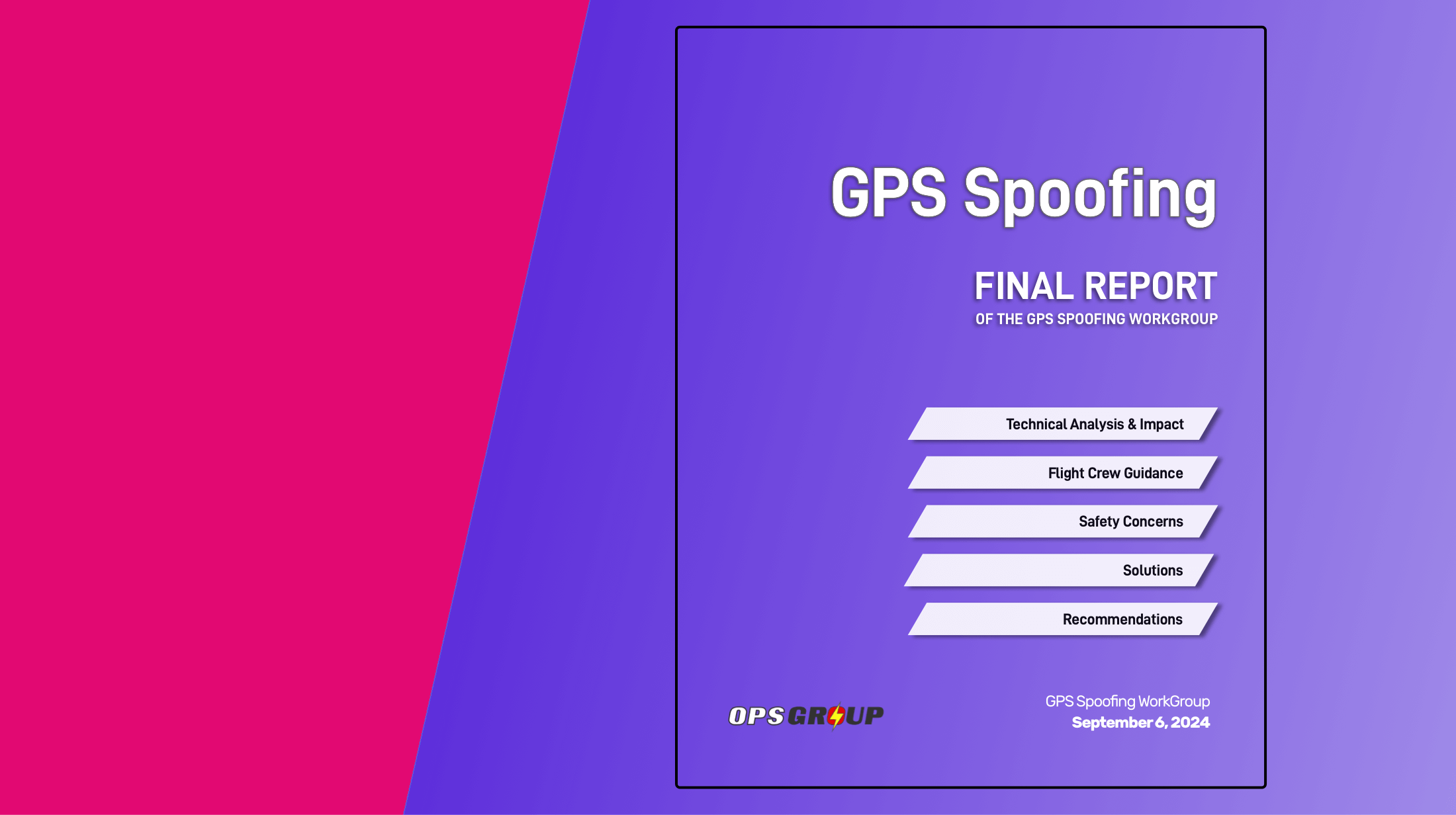

GPS Spoofing: Final Report published by WorkGroup

By OPSGROUP Team

0Shares


Surpad 4.0 Crack |best| -

Understanding Surpad 4.0 and the Implications of Cracking Software

Key Features of Surpad 4.0

  • Security Risks: Cracked software can contain malware, viruses, and other security threats that can compromise your computer and put your personal data at risk.
  • Stability Issues: Cracked software can be unstable and prone to crashes, which can lead to lost work and frustration.
  • Limited Support: Cracked software often comes with limited or no support, leaving users to troubleshoot issues on their own.
  • Ethical Concerns: Using cracked software can be seen as a form of piracy, which can harm the software developers and the creative community as a whole.
  1. A product review or overview of Surpad 4.0 (features, pros/cons, use cases).
  2. A buying guide comparing Surpad 4.0 and legal alternatives.
  3. A guide on setting up and using Surpad 4.0 legitimately (installation, licensing, tips).
  4. An explanation of software licensing, digital rights management, and legal risks of using cracked software.
  5. Help finding legitimate, free, or open-source alternatives to Surpad 4.0.

Loss of Certification: Many licensing boards require the use of legitimate, verifiable tools. Surpad 4.0 Crack

Conclusion

  • Purchase a legitimate license: Support the developers and obtain a genuine copy of the software.
  • Free trials or demos: Many software vendors offer free trials or demos, allowing you to test the software before committing to a purchase.
  • Open-source alternatives: Explore open-source software options that may offer similar features and functionality.
OPSGROUP Team

OPSGROUP Team

Question for us? Write to blog.team@ops.group.

One Comment

  • Surpad 4.0 Crack Mike Ellis says:

    In smaller aircraft which are not required (or able) to carry a full TCAS system, the use of ADS-B for strategic (and sometimes tactical) collision avoidance is a serious concern. This seems to be ignored in this report, presumably on the assumption that TCAS validation will prevent there being a problem. Sadly, TCAS validation is not possible in aircraft without TCAS, hence erroneous ADS-B data may be broadcast and presented to pilots in flight, with the attendant risk of a mid-air collision.

Leave a Reply