$109.44
In Stock
SYSTEM REQUIREMENTS:
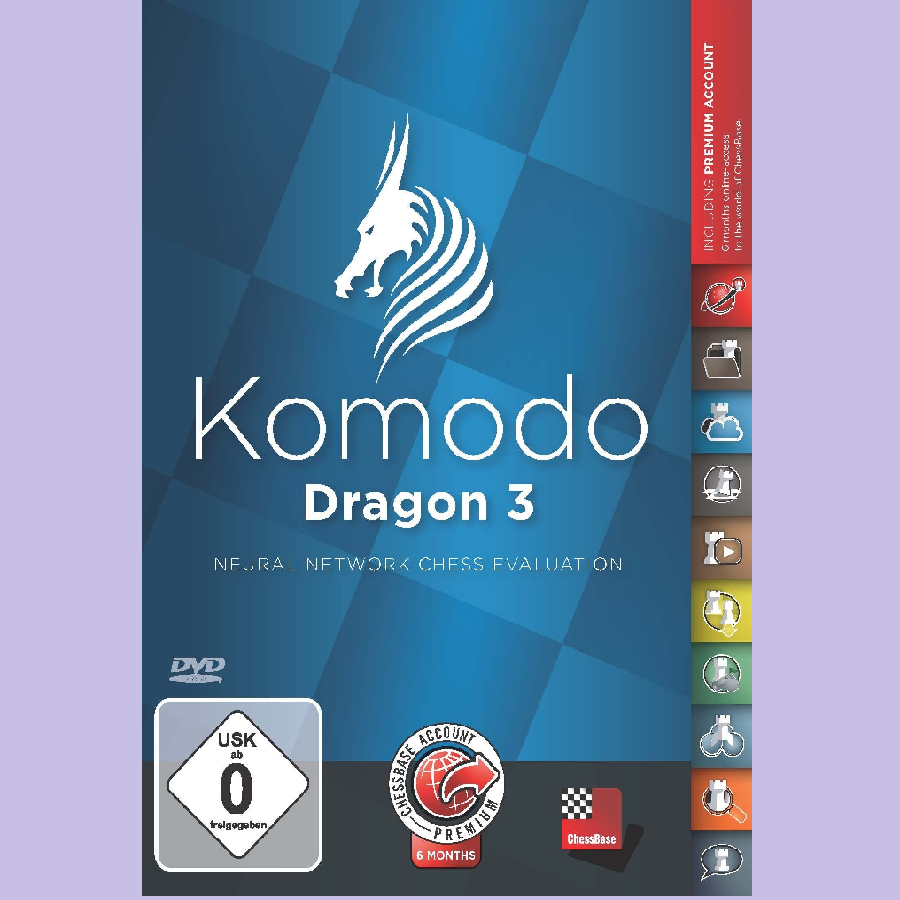
Minimum: PC Intel i3 or i5 or Ryzen 3, 4 GB RAM, Windows 8.1 (32- or 64-Bit), DirectX11, graphic card with 512 MB RAM, DVD-ROM drive (not required in download version), Windows Media Player and Internet access. Recommended: PC Intel i7, i9 or Ryzen 7/9, 8 GB RAM, Windows 11 or 10 with 64-Bit, Windows Media Player, graphic card with 1 GB RAM, RTX graphic card for real time Raytrace board, DVD-ROM drive and Internet access. For ChessBase ACCOUNT: Internet access and up-to-date browser, e.g. Chrome, Safari. Runs on Windows, OS X, iOS, Android and Linux!
It sounds like you’re looking for answers or a guide for the "8.3.8 Create Your Own Encoding" exercise on CodeHS.
To get the 8.3.8 answers correct on the first try, you need to master the Dictionary data structure in Python. Step 1: The Dictionary (The Key)
Creating Our Own Encoding Code
The encoded message becomes "KHOOR". This is a basic example of encoding, but it illustrates the concept.
A simple "answer" for the 5-bit requirement is to assign sequential binary values to letters: A: 00000 B: 00001 C: 00010 Z: 11001 Space: 11010 3. Encoding and Decoding Messages
For more specific guidance on writing the code, check community discussions on sites like
It sounds like you’re looking for answers or a guide for the "8.3.8 Create Your Own Encoding" exercise on CodeHS.
To get the 8.3.8 answers correct on the first try, you need to master the Dictionary data structure in Python. Step 1: The Dictionary (The Key)
Creating Our Own Encoding Code
The encoded message becomes "KHOOR". This is a basic example of encoding, but it illustrates the concept.
A simple "answer" for the 5-bit requirement is to assign sequential binary values to letters: A: 00000 B: 00001 C: 00010 Z: 11001 Space: 11010 3. Encoding and Decoding Messages
For more specific guidance on writing the code, check community discussions on sites like